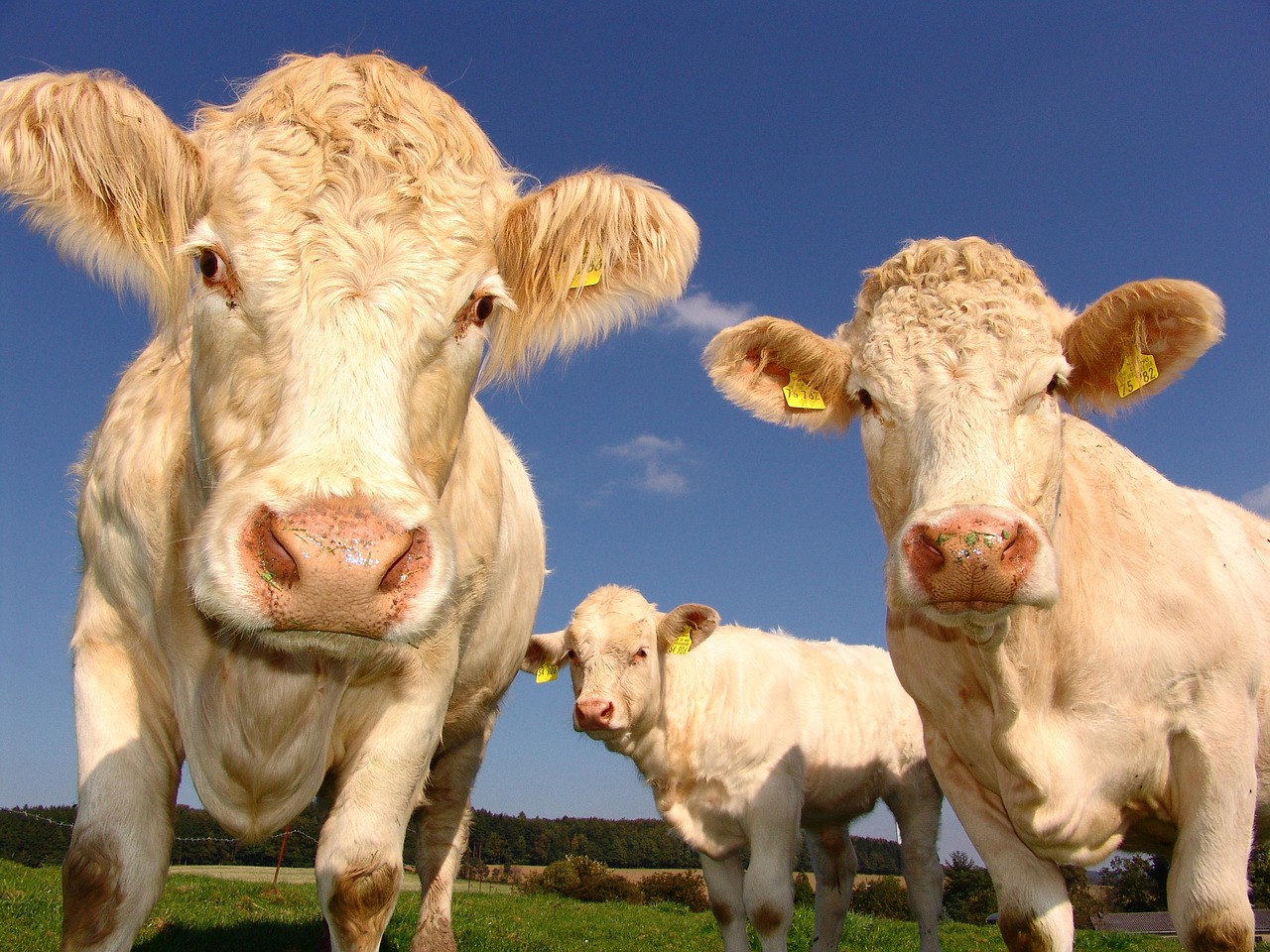
Bacteriophages: A Promising Solution Against Resistant Livestock Infections
Bacterial infections in livestock cause respiratory, reproductive, or digestive diseases that reduce productivity and lead to global economic losses. The intensive use of antibiotics has promoted the emergence of resistant bacterial strains capable of forming protective biofilms. In the face of this crisis, bacteriophages—natural viruses that specifically target bacteria—offer an innovative therapeutic alternative.
These viruses, ubiquitous in nature, are found in soils, wastewater, or even on the skin of animals. Their major advantage lies in their ability to destroy only pathogenic bacteria without harming beneficial microorganisms. Additionally, some bacteriophages produce enzymes capable of breaking through biofilms, the protective layers that resistant bacteria create to evade treatments. Unlike antibiotics, bacteriophages multiply directly at the site of infection, adjusting their action based on the amount of bacteria present.
The therapeutic applications of bacteriophages are diverse. A single type of virus can be used to target a specific strain, or multiple strains can be combined in a mixture to broaden the spectrum of action. Bacteriophage-derived enzymes, such as endolysins or depolymerases, are also used for their ability to destroy bacterial walls or biofilms. Another approach involves combining bacteriophages with antibiotics or probiotics to enhance treatment efficacy. Probiotics, by preserving the balance of the intestinal microbiota, improve immune response and overall animal health.
Studies have already demonstrated the effectiveness of bacteriophages in various livestock. In calves, bacteriophage mixtures have reduced the duration of diarrhea caused by Escherichia coli and stimulated immune defenses. In cases of bovine mastitis, a frequent and costly infection, the application of bacteriophages in milk has significantly reduced the number of pathogenic bacteria, sometimes by up to 99%. In pigs, bacteriophage cocktails have successfully eliminated Salmonella or Escherichia coli infections while improving growth and intestinal health. In poultry, adding bacteriophages to feed has reduced the presence of Salmonella and Campylobacter in chickens while promoting better animal development.
Bacteriophages also offer ecological and economic advantages. Their use limits the spread of resistant bacteria in the environment, a crucial issue for public health. Furthermore, their production is less expensive and faster than that of new antibiotics, whose development can take years and cost millions.
However, this therapy must still overcome several challenges before widespread adoption. The high specificity of bacteriophages for their bacterial hosts requires precise selection based on the infectious strains. Bacteria can also develop resistance to bacteriophages, although this phenomenon is rarer than with antibiotics. Additionally, the stability of bacteriophages in complex environments, such as the digestive tract or milk, remains a challenge. Their efficacy can be reduced by factors such as pH, temperature, or the presence of proteins and fats. Finally, the lack of clear and standardized regulatory frameworks hinders their large-scale commercialization.
Despite these obstacles, bacteriophages represent a serious avenue for combating resistant infections in livestock. Their ability to target specific bacteria, low toxicity, and adaptability potential make them a complementary solution to antibiotics. Ongoing research, particularly on genetically modified bacteriophages, could further improve their efficacy and accessibility.
Source Mentions
Cited Publication
DOI: https://doi.org/10.1007/s44370-026-00048-x
Title: Bacteriophages as emerging-therapeutic agents for overcoming antibiotic resistance in livestock infections
Journal: Discover Viruses
Publisher: Springer Science and Business Media LLC
Authors: Sarishti Dahiya; Naina Sharma; Kiran Nehra